

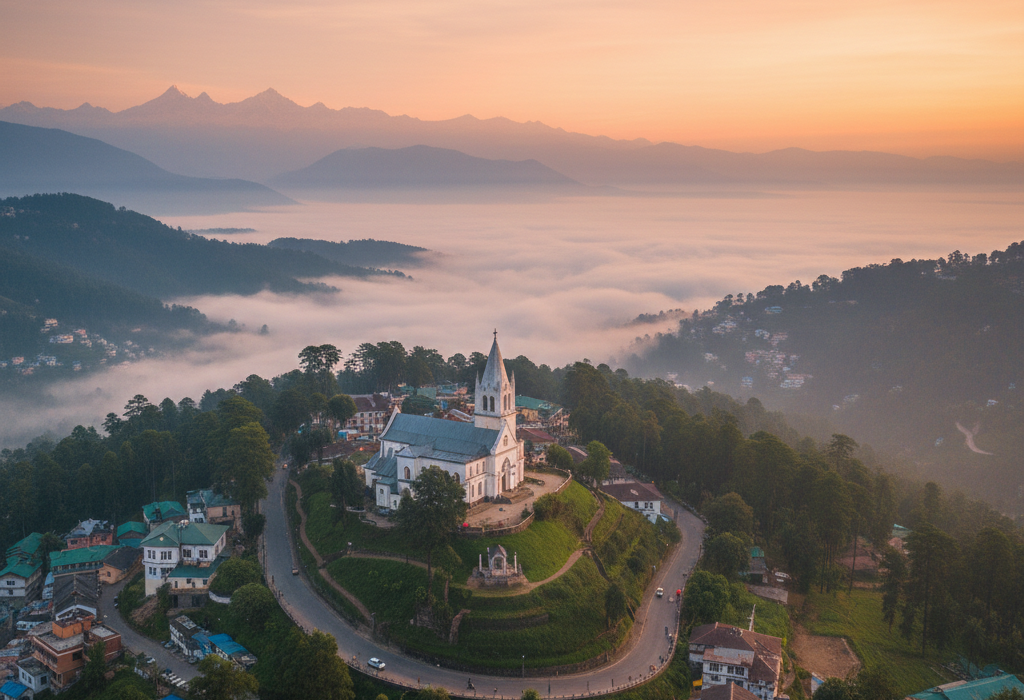
Shimla, often referred to as the “Queen of Hills,” is one of India’s most popular hill stations. Nestled in the Himalayas at an altitude of approximately 2,200 meters, it offers stunning views, a rich colonial heritage, and a pleasant climate that attracts tourists from all over the world. For anyone considering a trip to this enchanting destination, understanding the best time to visit Shimla is crucial for an optimal experience. This article will explore the seasonal variations, activities, and events that define Shimla’s charm throughout the year.
Understanding Shimla’s Climate
Before diving into the specifics of the best time to visit Shimla, it is essential to understand its climate. Shimla experiences four distinct seasons:
- Winter (December to February)
- Spring (March to April)
- Summer (May to June)
- Monsoon (July to September)
Each season offers unique experiences, thus influencing the best time for different types of travelers.
Winter (December to February)
Ideal for: Snow Lovers and Adventure Seekers
Winter transforms Shimla into a snow-coated paradise, making it the best time for snow sports enthusiasts. This season sees temperatures drop sharply, often ranging from -2°C to 8°C, with heavy snowfall in January. Activities such as skiing, ice skating, and snow trekking attract numerous tourists.
Highlights:
- The Johnnie Walker International Snow Sculpture Festival usually takes place in January, showcasing extraordinary ice art by talented artists.
- Gulmarg-like Experience: For those longing for skiing, Kufri, a nearby spot, offers great opportunities.
Tips for Visiting:
- Packing Warm Clothes: Travelers should invest in thermal wear, heavy jackets, and good-quality boots.
- Book Accommodations in Advance: The peak winter season can lead to fully booked hotels, so early reservations are advisable.
Spring (March to April)
Ideal for: Nature Enthusiasts and Photographers
Spring brings a mild climate and beautiful blossoming flowers, making it one of the best times to visit Shimla. During these months, temperatures are generally pleasant, ranging from 10°C to 20°C. The hills become lush green, and the weather is perfect for hiking and exploring nature.
Highlights:
- Himalayan Flower Festival: This event showcases diverse flora and fauna, giving visitors an opportunity to appreciate the beauty of spring.
- Local Sightseeing: Attractions like the Mall Road and Jakhoo Temple are easier to explore without the summer crowds.
Tips for Visiting:
- Moderate Clothing: Light woolens are advisable, as mornings and evenings can still be on the cooler side.
- Explore Local Cuisine: March and April are great months to try local dishes at iconic eateries around town.
Summer (May to June)
Ideal for: Family Vacations and Retreats
Summer is peak tourist season in Shimla, with temperatures hovering between 15°C and 30°C. The pleasant weather draws families, honeymooners, and groups alike, making it the most popular time to visit. Visitors can engage in a variety of outdoor activities, including trekking, camping, and picnicking.
Highlights:
- Summer Festivals: The Summer Festival, featuring cultural performances, craft fairs, and food stalls, is not to be missed.
- Adventure Sports: Paragliding and mountain biking are popular among adventure seekers during these months.
Tips for Visiting:
- Book in Advance: Due to high footfall, it’s advisable to plan travels and accommodations as early as possible.
- Stay Hydrated: With increased outdoor activities, staying hydrated is essential, especially for families with children.
Monsoon (July to September)
Ideal for: Off-Season Travelers and Budget Tourists
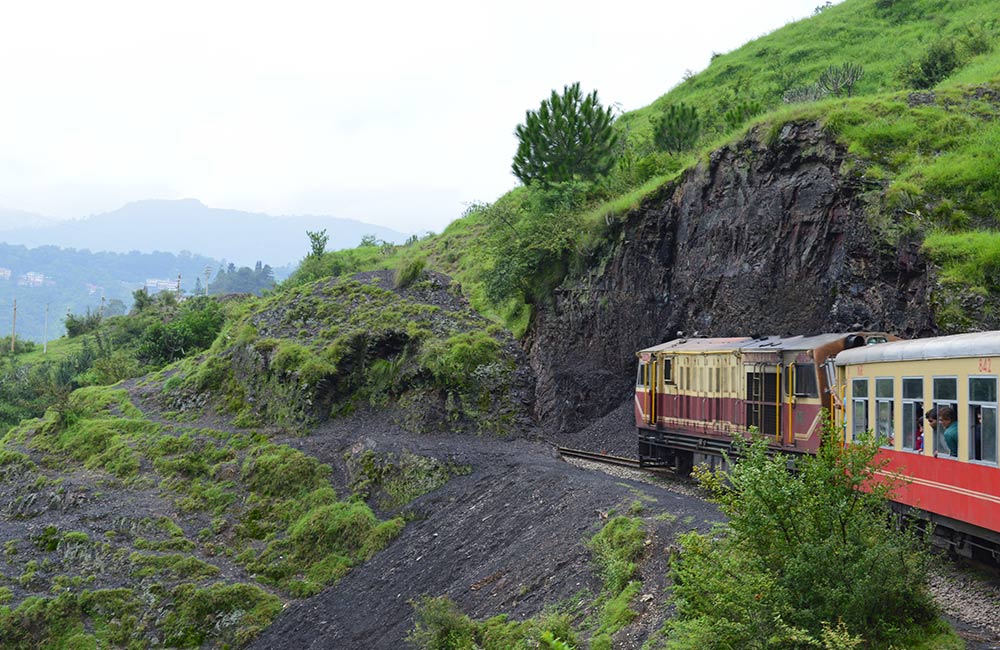
The monsoon season in Shimla brings heavy rains and cooler temperatures, ranging from 10°C to 20°C. While this season may not be ideal for everyone, it offers a serene experience for those willing to brave the rain. The lush green landscapes and misty hills create a picturesque setting that photographers and nature lovers will appreciate.
Highlights:
- Fewer Crowds: This is the off-peak season, allowing a more peaceful and intimate experience.
- Natural Beauty: The rains rejuvenate the forests and meadows, offering spectacular views and a chance to enjoy the beauty of nature without the hustle and bustle.
Tips for Visiting:
- Travel Safely: Ensure that road conditions are suitable, as landslides can occur during heavy rainfall.
- Carry Waterproof Gear: Umbrellas and raincoats should be essential items on any monsoon packing list.
Seasonal Activities in Shimla
To maximize the experience, understanding seasonal activities can be beneficial. Here are some activities to consider based on the time of year:
Skiing and Snow Sports (December to February)
- Kufri: A town near Shimla, Kufri turns into a skiing hub during the winter months and is perfect for snow activities.
- Ice Skating: Shimla has one of the largest ice skating rinks in Asia, operational during winter.
Trekking and Camping (March to June)
- Ridge and mall road walks: The pleasant weather during these months is ideal for long walks and exploration.
- Trekking Trails: Trails like the Hatu Peak trek offer breathtaking views and an adventurous experience.
Local Festivals (All Seasons)
- Lohri (January): A punjabi festival celebrated with bonfires and song-dance, it reflects the rich cultural heritage.
- Teej (August): A festival celebrating the arrival of monsoon, showcasing traditional attire and performances.
Conclusion: Choosing Your Best Time to Visit Shimla
Ultimately, the best time to visit Shimla greatly depends on personal preferences and what one hopes to achieve during their trip.
- For snow enthusiasts and adventure seekers, winter is indisputably the best time.
- For those who love mild weather and blooming nature, spring is ideal.
- Families looking to create lasting memories will find summer the most accommodating.
- Finally, for individuals seeking tranquility away from the crowds, monsoon provides a unique experience, despite being less conventional.
In essence, regardless of the season, Shimla stands as a compelling destination that guarantees lasting memories, with each time imbued with its own essence. To plan a visit, always stay up-to-date with local weather forecasts and travel advisories to ensure a smooth and enjoyable experience.